
Designer Inspired Velvet Pillow

DIY velvet pillow with embroidery sewing tutorial
If you're a DIY enthusiast, sewing hobbyist, or a lover of home decor, here's a project you'll adore!
Imagine adding a touch of luxury to your living room with embroidered velvet pillows that look like they came straight from a high-end store—but were actually handcrafted by you. We have a vintage velvet couch in our home that I found at a local thrift store for only $10. When we bought it, it looked extremely tattered and was on its last leg. We tore apart the fabric and cushions and refurbished it into the blue velvet couch we have today. It’s absolutely beautiful! This couch is most definitely gorgeous enough to stand alone, but when I came across some designer velvet pillows online, I thought it would pair well with the sofa. This sewing tutorial will show you how to create a designer-inspired velvet pillow, complete with embroidery.
Here’s what you’ll need to get started sewing your velvet pillows
Supplies
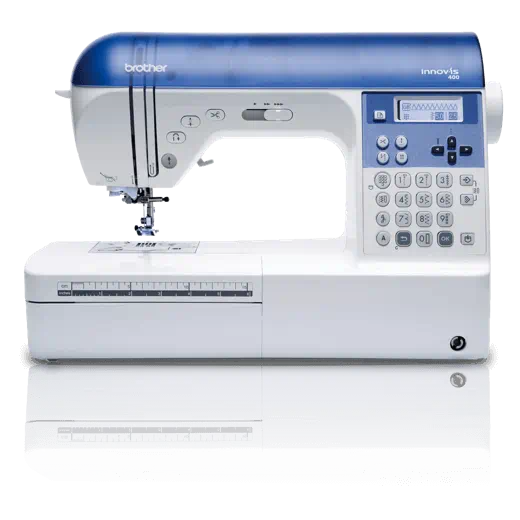
- Brother Stellaire Innov-is XJ1 sewing machine
- Embroidery and bobbin thread
- Embroidery hoop
- Tiger embroidery file (6 inches)
- ½ yard velvet fabric
- 1-1/2 yards braided trim
- ½ yard Brother SA5906 water soluble embroidery stabilizer
- Brother SA5815 adhesive tear away stabilizer
- 15” x 11” pillow insert
Note: You can purchase your embroidery file from iBroidery.com or Etsy* as there are many available options. *The embroidery file used for this project is from Etsy, and Brother International Corporation makes no representations or warranties regarding this product.
6 steps to sew your DIY velvet pillow
1. Prepare the velvet fabric and stabilizer
Place a water-soluble stabilizer on top of your velvet fabric. Secure both the stabilizer and fabric in your embroidery hoop, making sure they are pulled taut to ensure clean stitching. Flip the hoop upside down and attach the adhesive tear-away stabilizer underneath. Press it firmly into place to provide added stability for delicate velvet during embroidery.
Why stabilizers are needed
Velvet is a tricky fabric to work with due to its texture. The stabilizers help prevent the embroidery thread from sinking into the pile and ensure the design stays crisp.
2. Embroider your design
Insert the prepared hoop into your embroidery machine and load the tiger embroidery file. Begin the embroidery process and monitor your machine to avoid running out of thread mid-stitching.


Once the embroidery is complete, carefully remove the fabric from the hoop. Peel away the water-soluble stabilizer on top and the adhesive stabilizer underneath. This will reveal your beautiful tiger design on the velvet. I opted to add some premade patches to my pillow to accent the embroidery. If you want to further embellish your pillow top, do that now before continuing. Next, we’ll move to construction.
3. Cut and pin the fabric
Cut the embroidered fabric into two pieces, each measuring 15-1/2” x 11-1/2”. Make sure your embroidery and/or other embellishment is centered as you’d like it on one of the 15-½" x 11-½" pieces. Lay the fabric with the embroidered tiger face up. Pin the braided trim along the edges, ensuring the braid faces inward toward the center of the fabric. For rounded corners, gently curve the trim and pin securely.
Pro Tip: Fold the ends of the trim inward ensures a clean, polished look.
4. Sew the braided trim
Sew the braided trim onto the embroidered fabric as close to the braid’s edge as possible. Remember to remove pins as you go to avoid damaging your machine.
Pro Tip: If sewing around the corners feels tricky, slow down and use smaller stitches to create smoother curves.

5. Assemble the pillowcase
Place the second piece of velvet fabric directly on top of the first, with the right sides facing each other. Pin the fabrics together, aligning the edges and trim. Sew around the edges, following the braid as a guide. Leave a 6-inch opening at the bottom edge to insert the pillow.
6. Insert the pillow and finish
Turn the pillowcase right side out and use a point turner or other blunt tool to gently push out the corners. Tightly fold your pillow insert in half and slide it into the case. Fold the seam allowance along the opening inward by about half an inch and machine topstitch it shut, securing the pillow neatly in place.
Options: If you don’t have access to an embroidery machine, you can opt for store-bought patches. Simply use a double-sided fusible product or fabric glue to attach them to the velvet fabric. You can also hand sew them in place.
Styling your velvet pillows in your home
Once your velvet pillows are ready, it’s time to show them off! Place them on a vintage velvet couch, a neutral sofa, or even a cozy reading chair. These pillows are sure to become conversation starters and elevate the aesthetic of any space. Whether you're an experienced DIYer or a beginner, this project is approachable and rewarding. Grab your sewing tools, pick your favorite velvet color, and start creating.
Looking for more home decor inspiration? Check out these DIY outdoor pillows I made or learn how to make this football table runner. Once you've finished, share your masterpiece with us! Tag us @BrotherSews in your photos on social media—we’d love to see your creations.
FAQs
Q: Can I wash the pillowcase?
A: Yes, but wash it gently. Velvet requires special care to maintain its texture. Use a delicate wash cycle or hand wash and avoid tumble drying.
Q: Can I adapt this tutorial for different pillow sizes?
A: Certainly! Adjust the fabric and trim dimensions to match your desired pillow insert size.
Q: What sewing machine settings work best for velvet?
A: Use a specialized needle for delicate fabrics and ensure that the tension settings are light. Velvet can be tricky, so sewing slowly is key!
Q: I’m new to sewing - is this project beginner-friendly?
A: Absolutely! Velvet can be a little slippery, but take your time, use plenty of pins, and enjoy the process. This is a manageable project for crafters of all skill levels. If you’re looking for more beginner-friendly sewing tutorials, check out this bucket hat sewing tutorial, or let me show you how to sew buttons.
Tags
Shop this Project
When inspiration strikes, Brother has you covered! The products in this stylish project are available for purchase so you can click, shop, and get to sewing!
Sewing Machines
Related Projects
Stay Connected
* Required fields